Monitoring the Nile Water Quality in Egypt: Ensuring Health and Safety
Nile water quality monitoring in Egypt is vital for ensuring the health and safety of the country's inhabitants. The Nile River serves as a primary source of water for drinking, agriculture, and industrial use in Egypt. Thus, monitoring the quality of Nile water is essential to safeguard the health and well-being of the population. In this paper, we will discuss the importance of monitoring the Nile water quality in Egypt and the measures taken to ensure the safety and sustainability of this crucial resource.
Monitoring the Nile's water quality in Egypt is crucial for ensuring the health and safety of the population. The Nile River is a major source of water for drinking, agriculture, and industrial use in Egypt. Contaminated water can lead to waterborne diseases and other health issues. Regular monitoring helps in identifying and addressing any potential threats to the water quality, thus ensuring the safety of the water supply. It also helps in maintaining the ecological balance of the river and its surrounding areas. The government and various organizations in Egypt are actively involved in monitoring and maintaining the water quality of the Nile to safeguard public health and the environment.
The Importance of Nile Water Quality Monitoring in Egypt
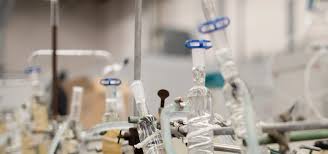
Water quality monitoring in Egypt is crucial due to the country's heavy reliance on the Nile River as a primary source of water. The river provides water for agriculture, drinking, and industrial use, making it essential to ensure that the water is safe and clean. Monitoring the quality of Nile water helps to detect pollution, ensure compliance with water quality standards, and protect public health and the environment. It also enables the implementation of proper water treatment measures and the development of effective water management strategies. With increasing pollution and climate change pressures, the importance of Nile water quality monitoring in Egypt cannot be overstated.
Challenges and Solutions for Nile Water Quality Monitoring in Egypt

Challenges for Nile water quality monitoring in Egypt include limited resources and infrastructure, outdated monitoring technologies, and an increase in pollution from industrial and agricultural activities. Additionally, the lack of coordination between different government agencies and stakeholders creates difficulties in establishing effective monitoring systems. Solutions for addressing these challenges include investing in modern monitoring equipment and technology, enhancing capacity building and training for water quality monitoring personnel, and promoting collaboration and information sharing among relevant agencies. Furthermore, strengthening regulations and enforcement to control pollution sources and implementing public awareness and community engagement programs are essential for improving Nile water quality monitoring in Egypt.
The Impact of Industrialization on Nile Water Quality in Egypt

Industrialization in Egypt has led to significant impacts on the water quality of the Nile River. The discharge of industrial effluents containing pollutants such as heavy metals, chemicals, and other hazardous substances has contributed to contamination of the water. This has led to adverse effects on human health, aquatic life, and agricultural productivity in the region. Additionally, the high demand for water for industrial processes has put pressure on the already scarce water resources, further exacerbating the problem. Efforts to address these challenges include the implementation of stricter environmental regulations, the promotion of sustainable industrial practices, and the development of water treatment and purification facilities. However, the impact of industrialization on Nile water quality remains a pressing concern that requires continued attention and action.
Improving Public Health Through Nile Water Quality Monitoring in Egypt

Improving public health through Nile water quality monitoring in Egypt is crucial in ensuring the safety of the country’s citizens. The Nile River is a major source of water for domestic, industrial, and agricultural use in Egypt. However, increasing levels of pollution and contaminants in the water pose significant health risks to the population. By implementing a comprehensive water quality monitoring system, the government can identify and address key areas of concern. This can involve regular testing for pollutants, bacteria, and other harmful substances, as well as establishing guidelines for safe water use. In addition, public health campaigns can be launched to educate the population about the risks associated with contaminated water, and to promote safe water practices. This can help to reduce the incidence of waterborne diseases and other health issues related to poor water quality. Overall, improving public health through Nile water quality monitoring requires a multi-faceted approach, including regular testing, enforcement of water quality standards, and public education. By taking proactive measures to safeguard the quality of the Nile’s water, the government can help to protect the health and well-being of its citizens.
The Role of Government in Nile Water Quality Monitoring in Egypt
best environmental consulting firm
The Government of Egypt plays a crucial role in monitoring the quality of Nile water. This is done through various agencies and departments responsible for water resource management and environmental protection. The Ministry of Water Resources and Irrigation, for example, is responsible for overseeing water quality monitoring programs and coordinating with other relevant government entities. The government also works in collaboration with international organizations and partners to implement advanced technologies and best practices in water quality monitoring. This includes conducting regular testing and analysis of the Nile water to ensure it meets national and international standards for human consumption, agriculture, and the protection of aquatic ecosystems. Furthermore, the government plays a key role in raising awareness about the importance of preserving water quality and implementing measures to prevent pollution and contamination of the Nile River. This involves regulating industrial and agricultural activities, as well as enforcing strict laws and regulations aimed at safeguarding the quality of the Nile water. Overall, the government's role in Nile water quality monitoring is vital for ensuring the health and sustainability of the river, as well as the well-being of the Egyptian population and the environment.
Innovations in Technology for Nile Water Quality Monitoring in Egypt<
best environmental consulting firm/h2>
Innovations in technology for Nile water quality monitoring in Egypt include the use of remote sensing techniques, satellite imaging, and unmanned aerial vehicles (UAVs) to gather data on water quality parameters such as turbidity, chlorophyll-a, and dissolved oxygen levels. Additionally, advanced sensors and monitoring equipment are being deployed at key sites along the Nile River to continuously measure and analyze water quality in real-time. These technological advancements enable more accurate and timely detection of water quality issues, helping to inform water resource management and conservation efforts in Egypt. Furthermore, the use of data analytics and modeling software allows for the interpretation of complex water quality data, helping to identify trends and patterns that can inform decision-making and policy development. Overall, these technological innovations are playing a crucial role in ensuring the sustainable management and preservation of the Nile's water resources.
Collaborative Efforts for Nile Water Quality Monitoring in Egypt
Collaborative efforts for Nile water quality monitoring in Egypt involve various stakeholders, including government agencies, non-governmental organizations, research institutions, and international partners. These efforts aim to assess and monitor the water quality of the Nile River to ensure sustainability and the protection of public health. The monitoring includes the collection of data on various parameters such as chemical, biological, and physical characteristics of the water. This data is used to identify potential sources of pollution, assess the overall health of the river ecosystem, and inform decision-making for water management and policy development. Partnerships and collaborations are key to the success of these monitoring efforts, as they allow for the sharing of resources, expertise, and technology. Furthermore, collaboration enhances the overall effectiveness and scope of water quality monitoring initiatives, leading to more comprehensive and reliable data for decision-making and action. In addition to the technical aspects of monitoring, collaborative efforts also involve capacity building, training, and public engagement to raise awareness about the importance of preserving Nile water quality and the impacts of pollution on human health and the environment. Overall, these collaborative efforts for Nile water quality monitoring demonstrate a commitment to ensuring the sustainable use and management of the Nile River for the benefit of present and future generations.